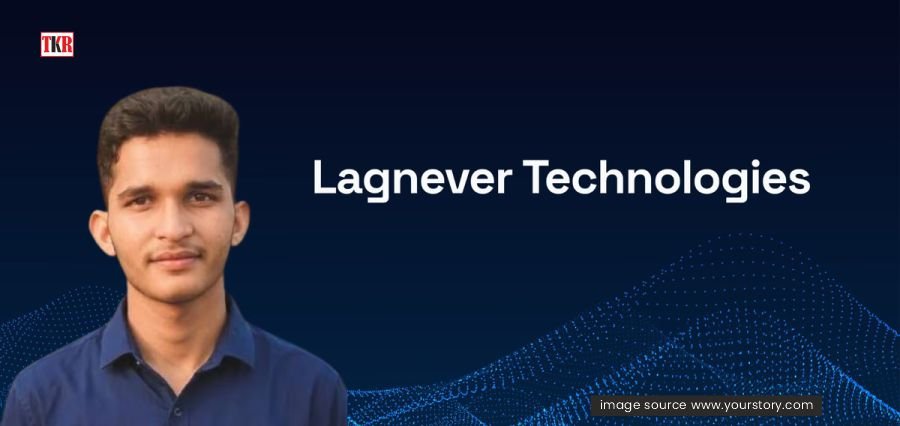
A Class 11 student from Rajouri, Jammu and Kashmir, has gained international recognition for developing an AI-powered education startup that aims to make learning more accessible and personalized for students. Imran Choudhary, founder of the educational technology platform LAGNEVER AI, has attracted global attention for combining artificial intelligence with practical learning solutions at a remarkably young age.
His achievement highlights the growing contribution of young innovators from smaller towns and rural regions to India’s expanding technology and startup ecosystem. By leveraging AI to address educational challenges, Choudhary has demonstrated how innovation can emerge from anywhere, regardless of geographical location or age.
AI Platform Designed to Support Student Learning
LAGNEVER AI has been developed to help students improve their learning experience through artificial intelligence-powered educational tools. The platform is designed to simplify complex concepts, provide personalized learning support, and make educational resources more accessible for learners across different academic levels.
Alongside his work on educational technology, Choudhary has also gained recognition for his achievements in programming and digital innovation. His projects reflect a growing interest among young students in applying emerging technologies to solve real-world problems, particularly in the education sector.
The recognition comes at a time when AI is becoming an increasingly important part of modern education. Schools, universities, and technology companies are investing in intelligent learning platforms that can personalize instruction, enhance student engagement, and support teachers through data-driven insights. Young innovators such as Choudhary are contributing fresh ideas to this rapidly evolving field.
Inspiring Innovation Beyond Metropolitan Cities
Choudhary’s success demonstrates that innovation is no longer limited to major technology hubs. Increasing internet connectivity, access to online learning resources, and affordable digital tools have enabled students from smaller towns to compete on national and international platforms.
His journey also reflects the growing startup culture among India’s youth, where students are increasingly exploring entrepreneurship alongside their academic studies. Government initiatives promoting digital education, coding, and innovation have encouraged young learners to experiment with technology and develop solutions that address practical challenges.
Education experts believe such achievements inspire other students to pursue careers in science, technology, engineering, and entrepreneurship. By developing technology with a clear social purpose, young innovators are helping reshape perceptions of what students can accomplish while still in school.
Recognition for projects like LAGNEVER AI also highlights the increasing importance of educational technology in improving access to quality learning, particularly for students in underserved communities.
Youth Innovation Drives India’s Digital Future
India has witnessed a steady rise in student-led innovation over the past few years, with school and college students launching startups in fields including education, healthcare, agriculture, and artificial intelligence. These initiatives are supported by growing access to incubation programmes, innovation competitions, and entrepreneurship platforms.
Artificial intelligence is expected to play a transformative role in the future of education by enabling personalized learning, automated assessment, and intelligent academic support. Student entrepreneurs who develop practical AI applications are increasingly contributing to this transformation while gaining recognition on global platforms.
Imran Choudhary‘s achievement serves as an example of how determination, creativity, and access to digital technology can enable young people to create meaningful solutions with international relevance. His recognition not only celebrates individual success but also reflects the expanding opportunities available to the next generation of innovators.
As India’s education and technology sectors continue evolving, stories like Choudhary’s demonstrate the growing potential of young entrepreneurs to shape the future of learning through innovation, entrepreneurship, and technology-driven problem-solving.