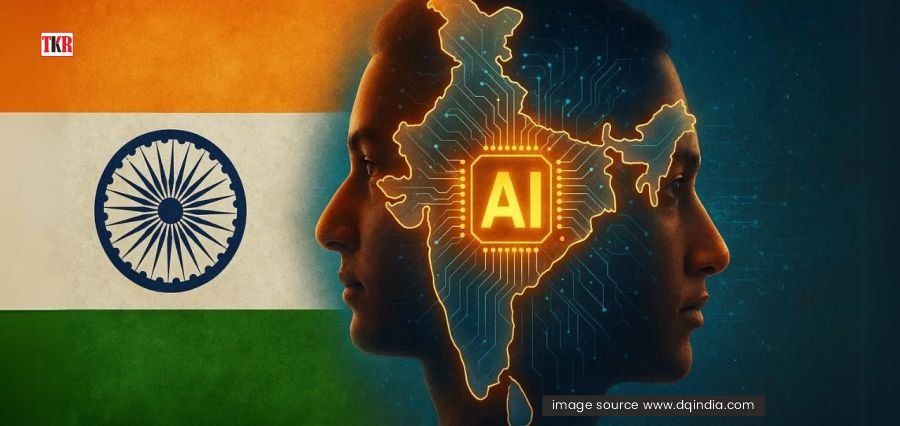
Prime Minister Narendra Modi has praised the launch of an innovative Artificial Intelligence and Data Science engineering programme at Central Sanskrit University, describing it as an important step toward integrating modern technology with India’s rich knowledge traditions.
The initiative reflects a broader vision of combining advanced digital capabilities with centuries of intellectual heritage, creating opportunities for innovation that are rooted in India’s linguistic and cultural foundations. The programme is expected to contribute to the development of indigenous AI solutions while supporting the preservation and digitisation of historical knowledge systems.
Technology Meets Traditional Knowledge Systems
The newly introduced BTech programme aims to prepare students for careers in emerging technologies while maintaining a strong connection with India’s classical knowledge traditions. The program combines foundational areas including artificial intelligence, machine learning, data science, and computational technologies with practical applications related to Indian languages and traditional knowledge systems.
A major objective of the initiative is to support the development of AI tools designed specifically for Indian languages and linguistic diversity. Such technologies are becoming increasingly important as countries worldwide seek to create local language AI ecosystems capable of serving broader populations.
The programme is also expected to accelerate efforts to digitise, preserve, and analyze ancient manuscripts and historical texts using modern technologies such as machine learning, optical character recognition, and natural language processing. These capabilities could unlock new opportunities for research and knowledge discovery across multiple disciplines.
Expanding India’s AI and Education Ecosystem
The launch comes at a time when India is investing heavily in artificial intelligence, digital infrastructure, and advanced technology education. Universities and research institutions are increasingly adopting interdisciplinary approaches that combine engineering, data science, and domain-specific expertise to prepare students for future workforce demands.
By integrating technology education with cultural and linguistic heritage, the programme represents a unique model that differentiates itself from conventional engineering degrees. The approach aligns with broader efforts to encourage innovation that addresses local challenges while contributing to global technological advancement.
The initiative may also strengthen India’s position in areas such as language technologies, machine translation, conversational AI, and digital preservation, all of which are expected to become major growth segments within the global AI industry in the coming years.
A New Model for Future Education
Education experts increasingly view interdisciplinary learning as essential in an era where technology is reshaping industries and creating entirely new professions. Programmes that combine engineering skills with expertise in languages, culture, and social sciences are expected to produce graduates capable of solving complex challenges from multiple perspectives.
The emphasis on combining heritage with innovation also reflects a broader shift in higher education toward creating globally competitive graduates without losing local relevance and identity.
As artificial intelligence continues to transform economies and societies, initiatives that connect technological advancement with historical knowledge may play an important role in shaping future innovation ecosystems. The programme positions India at the intersection of digital transformation and cultural preservation, demonstrating how traditional knowledge can become a valuable resource in the age of artificial intelligence.
Read More: India Looks to Higher Education as the Next Frontier in Its Export Growth Story