Prime Highlights
- Piyush Goyal said education as a service can meaningfully contribute to India’s export earnings and take Indian academic standards to a global audience.
- He called for the inclusion of international trade and Free Trade Agreement-related subjects in university curricula to better prepare students for the global economy.
Key Facts
- NEP 2020 is the Government of India’s landmark education reform policy aimed at bringing flexibility, multidisciplinary learning, and global standards to Indian schools and universities.
- Viksit Bharat 2047 is India’s national vision to become a fully developed nation by 2047, the country’s 100th year of independence, with education and innovation as core focus areas.
Background
Union Minister of Commerce and Industry Piyush Goyal said education as a service holds strong potential to boost India’s export earnings and carry high-quality Indian education to the rest of the world.
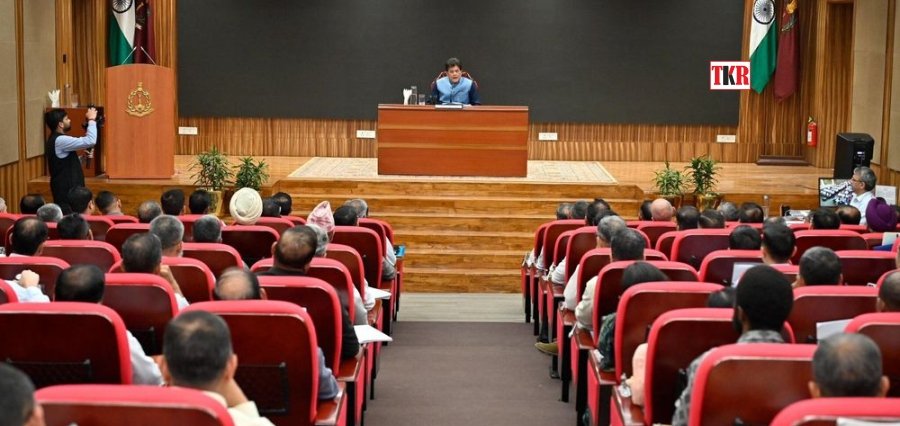
He made these remarks at the Vice Chancellor’s Conclave on Reimagining Internationalisation of Higher Education for Viksit Bharat 2047, held in New Delhi in the last week of May.
Piyush Goyal called Vice Chancellors the architects of India’s future and said each of them carries a significant responsibility in preparing students for future challenges while laying the foundation of a modern and developed nation.
The Minister said the National Education Policy (NEP) 2020 encouraged India to raise education standards, expand higher education opportunities and attract students from other countries.
He also stressed the need for universities to reassess their teaching methods and course structures. Goyal said subjects like international trade and India’s Free Trade Agreements must find a place in academic curricula so that students understand the opportunities available in the global economy.
The conclave brought together Vice Chancellors from across the country to discuss how Indian higher education can align with the goals of Viksit Bharat 2047, the government’s vision for a fully developed India by its centenary year of independence.
Indian universities are increasingly looking beyond their campuses and building links with institutions around the world.