Prime Highlights:
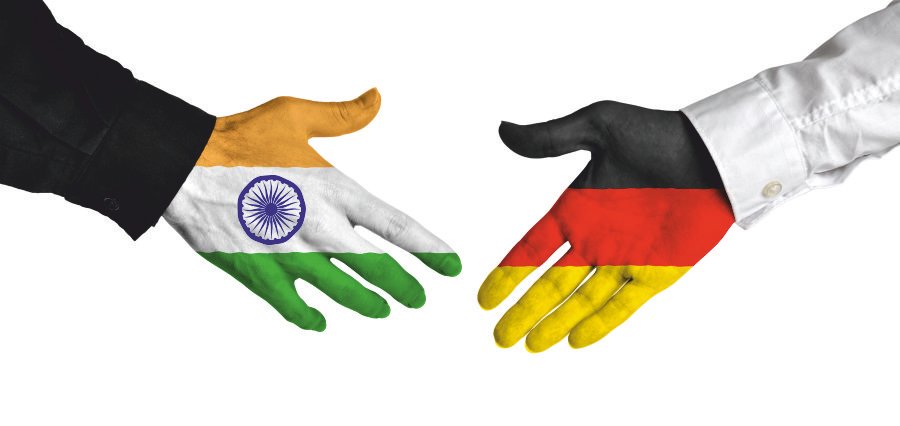
- Austria aims to deepen long-term collaboration with India in artificial intelligence, higher education, and digital governance, with a focus on ethics, trust, and human-centric technology.
- Horst Bischof, Director of Graz University of Technology, praised India’s IITs as natural partners and highlighted plans to scale up recruitment of Indian master’s students.
Key Facts:
- Austria’s three leading technical universities in Vienna, Linz, and Graz have joined under the TU Austria framework to strengthen international partnerships, including with India.
- Austrian universities conduct applied AI research in areas such as cybersecurity, energy-efficient computing, autonomous systems, computer vision, and medical imaging.
Background:
Austria is looking to deepen structured and long-term collaboration with India in artificial intelligence, higher education and digital governance, with a strong focus on ethics and trust, said Horst Bischof, Director of Graz University of Technology.
Speaking on the sidelines of the AI Impact Summit, Bischof said Austria’s three leading technical universities in Vienna, Linz and Graz have joined forces under a unified framework called TU Austria. The move aims to strengthen international partnerships, especially with India, following discussions during Prime Minister Narendra Modi’s visit to Vienna.
Bischof described India’s Indian Institutes of Technology as natural partners and praised them as premium institutions with outstanding students. He said Graz University already hosts Indian faculty members and a growing number of Indian students. Austria now plans to scale up recruitment of Indian master’s students through a coordinated national approach. Bischof visited five IIT campuses in November as part of outreach efforts.
At the summit, Austria showcased its strengths in applied and responsible AI research. Its universities work in areas such as cybersecurity, energy-efficient computing, autonomous systems, computer vision and medical imaging. Bischof, whose own research focuses on computer vision, said AI has moved from a niche subject to the core of technology and society.
He stressed Austria’s support for “Digital Humanism,” a concept that places humans at the centre of technological progress. “AI must assist humans, not replace them,” he said, adding that trustworthy and predictable systems are essential.
Bischof also raised concerns about AI sovereignty and the growing dominance of a few global technology firms. He called for balanced regulation that protects society without slowing innovation. He welcomed discussions on social media rules for young users and warned that misinformation and deepfakes will remain a major challenge, especially with upcoming global elections.
He praised India’s effort to broaden the AI debate to include equity and access for the Global South, saying closer Austria-India ties could help shape a more inclusive AI future.