Where Ideas Take Flight
The field of engineering education in India has been considered an important foundation for the economic and technological development of the nation. Indian Engineering colleges have produced millions of graduates over the years who have led the revolution of IT in India as well as different industries in various parts of the world. Nevertheless, the face of engineering education India is undergoing rapid transformation given the demands of a 21st-century world, new technologies and pedagogical approaches.
The conventional Landscape of Indian Engineering Education
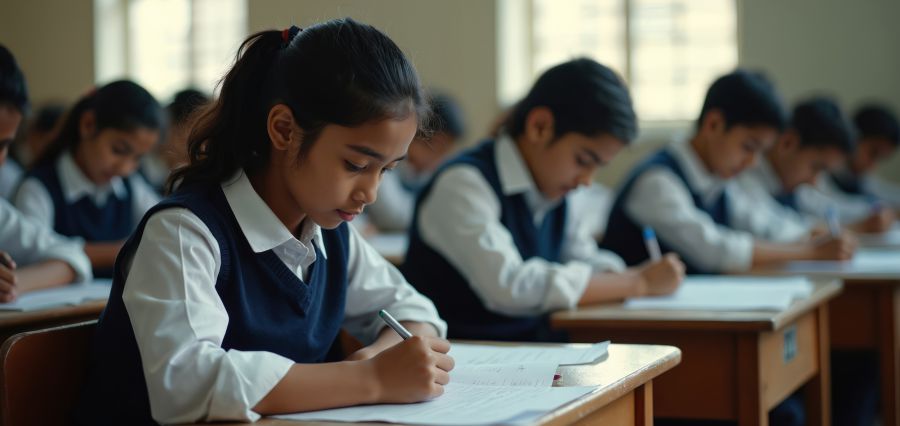
In historical times, engineering education India had been associated with rigorous literature-based knowledge, mostly in the field of lectures and books. IITs and NITs are the most prestigious institutions offering an intense curriculum, intensive practical exams and core concepts of engineering studies. Nevertheless, most other engineering colleges were grappling with obsolete courses, poor infrastructure and a scarcity of teaching personnel. This quality gap usually produces poorly equipped graduates to carry out industry demands.
Policy Reforms Fueling Change
The Indian government has realized a need for the restructuring of engineering education in India. National Education Policy (NEP) 2020 is an iconic process that aspires to revolutionize advanced education in all areas, including engineering. The NEP supports flexibility in multidisciplinary education, critical thinking and creativity, and course selection.
In the case of engineering education India, the policy enters the idea of a four-year undergraduate course with breakpoints, as depending on the level of advancement, students can receive a certificate, a diploma, or a degree. The general intention of this modular approach is to decrease the number of dropouts and allow more targeted education progressions.
Moreover, the approach of NEP, which focuses on research and innovation is aimed to enhance the level of research of engineering colleges. The institution of the Higher Education Commission of India (HECI) will help to rectify or rather raise the standards of engineering education in India through better governance and accountability.
Embracing Industry Collaboration and Practical Skills
Academia-industry collaboration is one of the most important developments in engineering education in India. To connect students with the real world, most colleges are already collaborating with various companies to enable internships, live projects and a skill certification course.
Institutions such as the IIT Madras have been the first to come up with newer approaches to learning through their fully online aerospace engineering programs that can support those who are working and those left behind in other parts of the nation as well. The 6-month IIT-BHU certification course in Internet of Things (IoT) and manufacturing technologies is, correspondingly, a training course that gives the faculty as well as students the most updated knowledge applicable in the real-life industrial scenarios.
Partnerships of this nature enable students to get a practical feel of engineering problems, find solutions to issues through problem-solving, and become industry ready. This transformation of a straightforward academic model to a skill-centered model of learning through experience is a fundamental development in the Indian engineering course.
The Role of Technology and Innovation
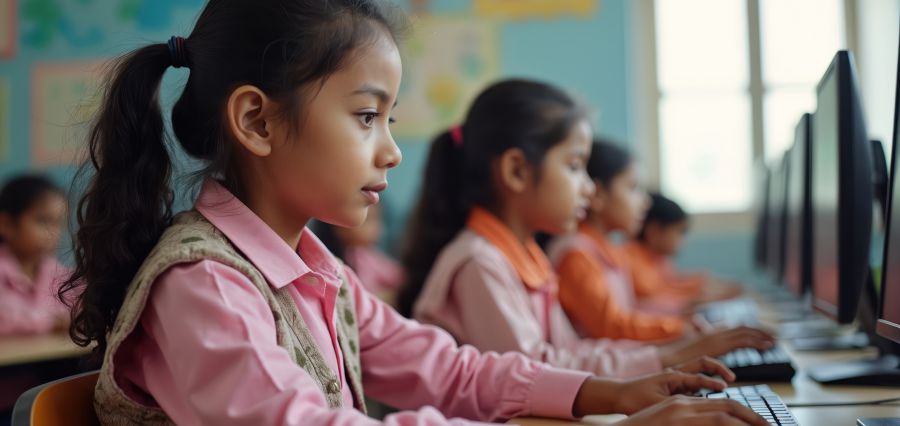
Digital learning playing a key role in transforming engineering education India. The COVID-19 pandemic boosted the use of online learning systems, simulation environments, and virtual collaborators. These technologies have not only provided quality education to students living in remote locations but have also enabled more customized forms of learning.
Moreover, new disciplines (in artificial intelligence, machine learning, data science and renewable energy), are introduced in curricula. Universities are creating innovation centers, incubating facilities, and startup accelerators to instill entrepreneurship and innovativeness in engineering students.
The essence and potential of engineering education India, aimed at fostering innovators and problem solvers, can contribute to the vision of India becoming a global technology leader. This objective is rooted in project-oriented learning and interdisciplinary research.
The Road Ahead
Institutions need to harmonize their curriculum with industry demands, incorporate upcoming technologies, and encourage a culture of entrepreneurship and research. More focus on experiential learning, internships, and global exposure will equip students for a competitive marketplace.
This should also be the role of the government and regulatory authorities to influence the level of quality of all engineering colleges that should be provided with the same level of high-quality education. Such important steps are the promotion of diversity, support of the faculty development and investment in infrastructure.
In summary, the new face of engineering education in India captures the nation’s vision for technological leadership and broader growth. By revolutionizing conventional practice, stimulating innovation, and establishing close industry connections, India’s engineering colleges are developing an ecosystem where imagination really takes wings, driving a new generation of engineers to build the future.